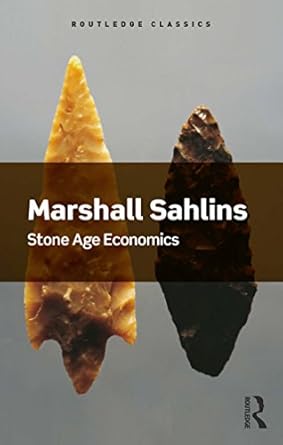

Discover the groundbreaking insights of Marshall Sahlins’s “Stone Age Economics,” a staple in modern anthropology that’s been captivating readers for over forty years. This Routledge Classics edition thoughtfully re-examines the economic practices of hunter-gatherer societies, challenging conventional wisdom and illuminating their status as the original “affluent society.” With a fresh foreword by David Graeber, this edition offers a contemporary lens on Sahlins’s radical perspectives, making it a must-read for anyone interested in the intricate relationship between culture and economy.
Sahlins’s work invites you to rethink your understanding of production, distribution, and exchange in early communities, revealing how these elements are deeply intertwined with social and cultural factors. Far from being primitive, the economies of these societies may have provided richer, more fulfilling experiences than those offered by modern industrial lifestyles. Dive into this compelling exploration and gain a new appreciation for the complexities of economic life through a cultural lens.
Stone Age Economics (Routledge Classics)
Why This Book Stands Out?
- Classic Status: Since its publication over forty years ago, Stone Age Economics has become a cornerstone of modern anthropology and anthropological economics, influencing generations of scholars.
- Radical Revisions: Sahlins challenges traditional views of hunter-gatherer societies, presenting them as the original “affluent society” and transforming our understanding of their economic lives.
- Comparative Analysis: The book offers a unique comparative approach to studying economic life, linking cultural and social factors to the production, distribution, and exchange within early communities.
- Cultural Perspective: Sahlins argues that economics should be seen as a cultural category, akin to politics and religion, shifting the focus from mere behavior to the underlying cultural contexts.
- Provocative Conclusions: The author controversially posits that those in subsistence economies may have experienced greater fulfillment and well-being than those in modern industrialized societies, sparking thought-provoking discussions.
- New Foreword: This Routledge Classics edition features a compelling new foreword by David Graeber, adding contemporary insights and enhancing the book’s relevance today.
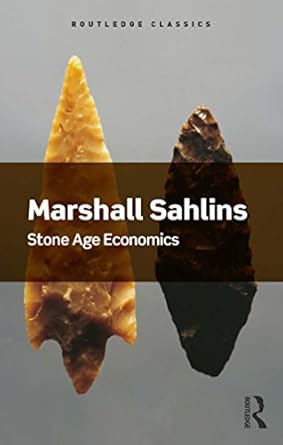
Personal Experience
As I delved into Marshall Sahlins’s Stone Age Economics, I found myself reflecting on our modern lives and the often unexamined assumptions we hold about wealth and success. This book isn’t just an academic treatise; it’s a profound exploration of what it means to live well. I felt a stirring connection to the themes presented, as if Sahlins was inviting me to reconsider everything I thought I knew about economics and happiness.
Reading this book was like peeling back layers of a complex onion, revealing insights that resonate deeply with our daily experiences. Here are some key reflections that might resonate with you as well:
- Reevaluating Affluence: The notion that hunter-gatherers were the original “affluent society” challenged my understanding of wealth. It made me ponder whether our relentless pursuit of material goods truly leads to fulfillment.
- Cultural Economics: Sahlins’s perspective on economics as a cultural phenomenon rather than mere rational behavior encouraged me to think about how my own cultural background shapes my values and choices.
- Community and Connection: The emphasis on domestic production and community interdependence reminded me of the importance of relationships in our lives. It sparked memories of family gatherings, shared meals, and the simple joys of connection.
- Modern Discontent: As I read about the lives of those in subsistence economies, I couldn’t help but reflect on the stress and anxiety that often accompany modern affluence. It made me question whether we are really better off and what true contentment looks like.
- Redefining Success: The provocative conclusion that those living in simpler economies might lead more fulfilled lives made me reconsider my own definitions of success and happiness. It opened a door to thinking about what truly matters in life.
Through Sahlins’s lens, I found myself not just reading, but engaging in a dialogue with the text. His radical approach to understanding economies made me appreciate the richness of human experience beyond the confines of traditional economic measures. If you, too, find yourself reflecting on the fabric of our lives and the choices we make, this book is a heartfelt invitation to explore those questions more deeply.

Who Should Read This Book?
If you’re curious about the intricate dance between culture and economy, or if you have a keen interest in anthropology and the foundations of human societies, then Stone Age Economics is a must-read for you! This book is not just for academics; it holds insights that can enrich the understanding of anyone who grapples with the complexities of modern life.
Here are some of the key audiences who will find immense value in this classic work:
- Students and Scholars of Anthropology: If you’re studying anthropology, sociology, or economics, Sahlins’ groundbreaking perspectives on hunter-gatherer societies will deepen your understanding of human behavior and cultural practices.
- Economists and Social Scientists: This book challenges conventional economic theories and offers a fresh lens through which to view economic systems. It’s perfect for those looking to expand their analytical toolkit and engage with alternative economic models.
- Cultural Enthusiasts: If you have a passion for culture and how it shapes our lives, this book dives into the cultural dimensions of economics, revealing how societies construct their livelihoods in unique ways.
- Environmental and Social Justice Advocates: For readers concerned with sustainability and the impacts of modern industrialization, Sahlins’ arguments may inspire you to rethink what it means to live well, questioning the assumptions of progress and affluence.
- General Readers Seeking Insight: Even if you’re just a curious reader, this book is accessible and thought-provoking. It encourages reflection on your own lifestyle and relationship with material wealth.
In short, whether you’re an academic, a professional, or simply someone intrigued by the human experience, Stone Age Economics offers compelling insights that can reshape your understanding of culture, economy, and what it means to thrive in society.
Stone Age Economics (Routledge Classics)
Key Takeaways
Marshall Sahlins’s Stone Age Economics offers profound insights into the nature of economic life, challenging long-held assumptions about hunter-gatherer societies. Here are the key points that make this book a must-read:
- Revising Economic Perspectives: Sahlins presents hunter-gatherers as the original “affluent societies,” overturning the notion that they were impoverished or primitive.
- Cultural Context of Economics: The book emphasizes that economics should be viewed as a category of culture, akin to politics and religion, rather than merely a matter of rational behavior.
- Production and Distribution Analysis: Sahlins explores how early communities approached production, distribution, and exchange, highlighting the intricate relationships between these elements and social structures.
- Quality of Life Insights: The author controversially argues that life in subsistence economies may have been healthier and more fulfilling compared to modern industrialized societies.
- Interdisciplinary Approach: The book interweaves anthropology and economics, providing a comprehensive framework for understanding economic systems in a broader cultural context.
- Foreword by David Graeber: This edition features a new foreword that enriches the reader’s understanding of Sahlins’s impact on modern anthropology and economic thought.

Final Thoughts
Marshall Sahlins’s Stone Age Economics is not just a book; it’s a transformative journey into the heart of human economic life. Over four decades since its initial publication, this classic work has redefined our understanding of what it means to live in a “primitive” society. Sahlins masterfully challenges conventional views, presenting hunter-gatherers as the original “affluent society,” revealing a profound connection between economics and culture.
In this thought-provoking text, Sahlins delves into crucial topics such as:
- The nature of production, distribution, and exchange in early communities.
- The cultural and social dimensions that shape economic life.
- The contrasting experiences of subsistence economies versus modern industrialization.
With a new foreword by David Graeber, this Routledge Classics edition offers fresh insights into a work that remains relevant and essential for anyone interested in anthropology, economics, or the human experience. Sahlins’s radical perspective encourages us to rethink our values and the true meaning of wealth and fulfillment.
If you’re curious about the interplay of culture and economy and want to explore a narrative that challenges the status quo, Stone Age Economics is a must-read. Don’t miss out on the opportunity to enrich your understanding of our past and its implications for the future. Purchase the book now and embark on a compelling exploration of economic anthropology that will leave you inspired and informed!