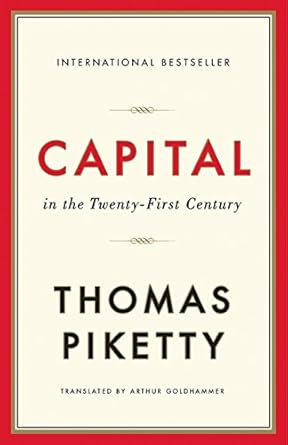

Discover the groundbreaking insights of Thomas Piketty’s Capital in the Twenty-First Century, a #1 bestseller that has captivated readers and critics alike. This monumental work dives deep into the dynamics of wealth and inequality over the past two centuries, offering a fresh perspective that challenges conventional economic thought. With accolades from major publications and awards such as the Financial Times and McKinsey Business Book of the Year, Piketty’s analysis is not just timely—it’s essential for anyone seeking to understand the complexities of our modern economy.
With its engaging narrative and rigorous research, Capital in the Twenty-First Century stands out as more than just an academic treatise; it’s a call to action for policymakers, economists, and readers who care about social justice and economic equity. Whether you’re a seasoned economist or a curious reader, this book promises to reshape your understanding of wealth distribution and its implications for society. Don’t miss your chance to explore this influential work that is destined to spark conversations for years to come!
Capital in the Twenty-First Century
Why This Book Stands Out?
- Acclaimed Authority: Authored by renowned economist Thomas Piketty, this book has garnered multiple prestigious accolades, including the Financial Times and McKinsey Business Book of the Year Award.
- Best Seller Status: A New York Times #1 Bestseller, along with top spots on Amazon, Wall Street Journal, and USA Today lists, showcasing its widespread impact and readership.
- Intellectual Revolution: Piketty aims to transform our understanding of economic history over the last two centuries, challenging established norms and perspectives.
- Comprehensive Analysis: This sweeping account of rising inequality presents a thorough examination of wealth distribution, making it essential reading for anyone concerned about economic disparities in modern society.
- Enduring Relevance: Recognized as a defining work on inequality, it is poised to influence economic thought and policy for years to come, making it a must-read for those passionate about social justice and economics.
- Accessible Yet Profound: Piketty’s engaging writing style bridges complex economic concepts with historical context, making it approachable for both scholars and general readers alike.

Personal Experience
Reading Capital in the Twenty-First Century by Thomas Piketty is not just an intellectual exercise; it’s a journey into understanding the world around us and our place within it. I remember the first time I picked up this book, feeling a mix of curiosity and apprehension. Would it be another dry economics text, filled with jargon and complex theories? Instead, I found a compelling narrative that resonated deeply with my own experiences and observations of economic inequality in my community.
As I delved into Piketty’s arguments, I couldn’t help but reflect on the conversations I’ve had with friends and family about wealth distribution and social justice. Many of us share stories of struggling to make ends meet or witnessing the growing divide between the rich and the poor. Piketty’s exploration of historical data illuminated these feelings, providing context and evidence that validated our personal experiences.
Here are some key points that particularly struck a chord with me:
- The Historical Perspective: Piketty’s ability to weave together economic history with contemporary issues made me realize how deeply rooted these inequalities are. It felt like he was giving voice to the struggles that have shaped our society over centuries.
- Relatability: I found myself nodding along as he described the nuances of wealth accumulation and the impact of inheritance. It reminded me of discussions with my peers about the challenges we face in climbing the economic ladder.
- A Call to Action: The book isn’t just a presentation of facts; it’s a call for awareness and change. After reading it, I felt inspired to engage more in conversations about economic policies and their real-world implications.
Ultimately, Capital in the Twenty-First Century isn’t just for economists or academics. It’s for anyone who cares about the future of our society. It’s a book that can spark meaningful discussions and inspire readers to reflect on their own lives and the systems that shape them. If you’ve ever felt frustrated by economic disparities or passionate about social justice, this book will resonate with you on a deeply personal level.

Who Should Read This Book?
If you’re curious about the economic forces shaping our world today, then “Capital in the Twenty-First Century” by Thomas Piketty is a must-read for you. This book isn’t just for economists or academics; it’s for anyone who cares about the future of society and the widening gap between the rich and the poor. Here’s why this book is perfect for you:
- Students and Scholars of Economics: If you’re studying economics or a related field, Piketty’s insights on inequality and wealth distribution will enrich your understanding and provide a contemporary context to historical economic theories.
- Policy Makers and Activists: For those involved in policy-making or social justice initiatives, this book offers a comprehensive analysis of economic inequality that can inform your strategies and help you advocate for effective change.
- General Readers Interested in Social Issues: If you’re passionate about social issues and want to understand the economic underpinnings of inequality, Piketty’s engaging writing style makes complex ideas accessible and relatable.
- Business Professionals: Those in the business world will find value in understanding how economic trends influence markets and consumer behavior, making this book a crucial read for strategic planning.
- History Buffs: If you love history, particularly economic history, Piketty’s extensive research on the past two centuries will captivate you and provide a new perspective on historical events and their relevance today.
This book is not just another economic treatise; it’s a powerful call to action that encourages readers to think critically about the systems in place and their impact on society. So, if any of these descriptions resonate with you, dive into “Capital in the Twenty-First Century” and discover the profound insights that await you!
Capital in the Twenty-First Century
Key Takeaways
Thomas Piketty’s Capital in the Twenty-First Century offers profound insights into the dynamics of wealth and inequality in our modern society. Here are the most important lessons and benefits you can expect from this essential read:
- Historical Perspective: Piketty provides a comprehensive analysis of economic history over the past two centuries, illustrating how wealth distribution has evolved and the implications it has for society.
- Understanding Inequality: The book delves deeply into the causes and consequences of rising inequality, making it clear why this issue is critical in today’s world.
- Capital and Labor: Piketty examines the relationship between capital and labor, revealing how returns on capital often outpace economic growth, exacerbating inequality.
- Policy Proposals: The author suggests potential solutions to address wealth inequality, including progressive taxation and global wealth tax, encouraging readers to consider actionable steps for reform.
- Engaging Narrative: With a blend of data analysis and storytelling, Piketty makes complex economic concepts accessible and engaging for all readers, regardless of their background in economics.
- Influential Framework: This work challenges traditional economic theories and provides a new framework for understanding capitalism and its societal implications, positioning it as a crucial text for both scholars and policymakers.
- Calls to Action: Piketty not only highlights the problems but also inspires readers to think critically about economic policies and their role in shaping a fairer society.

Final Thoughts
Thomas Piketty’s Capital in the Twenty-First Century is more than just a book; it is a pivotal work that sheds light on the pressing issues of economic inequality that shape our contemporary world. With accolades from major publications and economists alike, this magnum opus invites readers to rethink the dynamics of wealth distribution over the last two centuries.
Here are a few reasons why this book deserves a place on your shelf:
- Groundbreaking Insights: Piketty’s analysis provides a profound understanding of economic history and inequality, making complex theories accessible to all.
- A Must-Read for Everyone: Whether you’re an economist, student, or simply curious about societal issues, this book offers valuable perspectives that resonate across disciplines.
- Accolades and Recognition: As a New York Times #1 Bestseller and winner of prestigious awards, its influence and importance are widely recognized.
In a time when discussions about economic disparity are more relevant than ever, Capital in the Twenty-First Century serves as a critical resource for understanding the mechanisms that drive inequality. Don’t miss out on the opportunity to engage with this essential work that is sure to inspire thought and conversation.
Purchase your copy today and join the conversation that is shaping our understanding of economics in the modern age!